
Garden Beds Insulated Before Winter Arrives
Fall Mulching in Henderson for landscape beds that need root protection and moisture retention during temperature swings
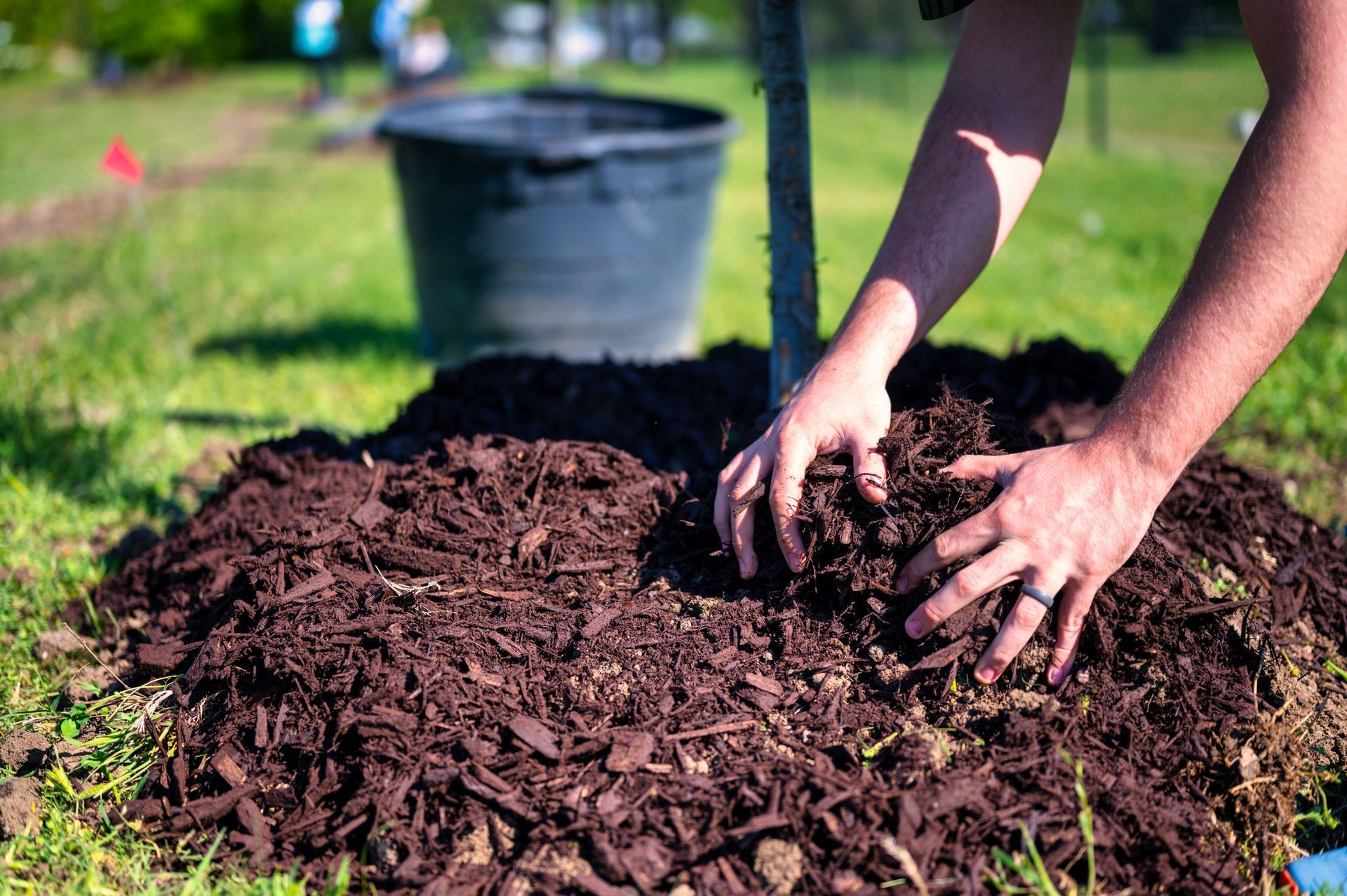
Exposed soil in planting beds loses heat rapidly during cold snaps and dries out during warmer stretches, stressing plant roots that are trying to establish or maintain themselves through dormancy. A fresh mulch layer applied before winter insulates the root zone, buffers temperature changes, and helps soil hold moisture without staying waterlogged. Unc and Nephew Mowing installs fall mulch in Henderson to protect plant roots, reduce soil exposure, and give garden beds a finished appearance heading into the colder months.
The application adds several inches of organic mulch to beds, creating a barrier that moderates soil temperature and slows evaporation during dry winter periods common in East Texas. Mulch also suppresses early spring weeds and breaks down slowly to add organic matter over time, improving soil structure without the need for tilling or amendments.
Arrange a site visit to determine mulch depth and coverage based on your current bed conditions..
How Mulch Protects Plants Through Winter
Mulch acts as insulation by trapping air in the spaces between particles, which slows heat transfer from the soil to the atmosphere during freezing nights and prevents rapid warming during sunny winter days. This stabilization protects shallow roots from frost heaving and reduces the stress that temperature cycling places on dormant plants, especially perennials and shrubs that are still establishing root systems.
After installation, you'll notice beds that look uniform and well maintained, with soil no longer visible and plant bases protected from direct exposure to wind and cold. Moisture stays in the root zone longer because the mulch layer reduces surface evaporation, meaning less irrigation is needed during dry stretches even when plants aren't actively growing.
The service applies mulch only—it does not include bed edging, weed removal, or plant pruning unless those are added separately. If beds contain heavy weed growth or compacted old mulch, those should be addressed before new material is applied to avoid trapping problems under the fresh layer..
Henderson properties with established landscape beds typically refresh mulch annually, and fall application provides the best protection during the months when temperature swings are most damaging to root systems.
Common Questions About Fall Mulch Application
What type of mulch is used?
The standard material is shredded hardwood or pine bark mulch, which breaks down at a moderate rate and provides good insulation without compacting heavily or repelling water the way some dyed mulches can.
How deep should the mulch layer be?
A two to three inch layer provides adequate insulation and weed suppression without piling mulch against plant stems, which can hold moisture and encourage rot at the base of shrubs and perennials.
Does mulch need to be replaced every year?
Organic mulch breaks down over time, so annual refreshing maintains consistent coverage and continues adding organic matter to the soil as the old layer decomposes.
Can mulch be applied over existing material?
If the old layer is thin and decomposed, new mulch can be added on top, but if the existing mulch is thick, compacted, or contains weed growth, it should be cleared first to avoid excessive buildup.
When is the best time to apply fall mulch in Henderson?
Late October through November works well because it gives beds protection before the first freeze while avoiding the heat that would accelerate decomposition if applied too early in autumn.
Unc and Nephew Mowing applies mulch to all designated beds and ensures even coverage so your landscape is protected and visually consistent through winter. Contact us to schedule installation based on your bed size and current mulch condition.